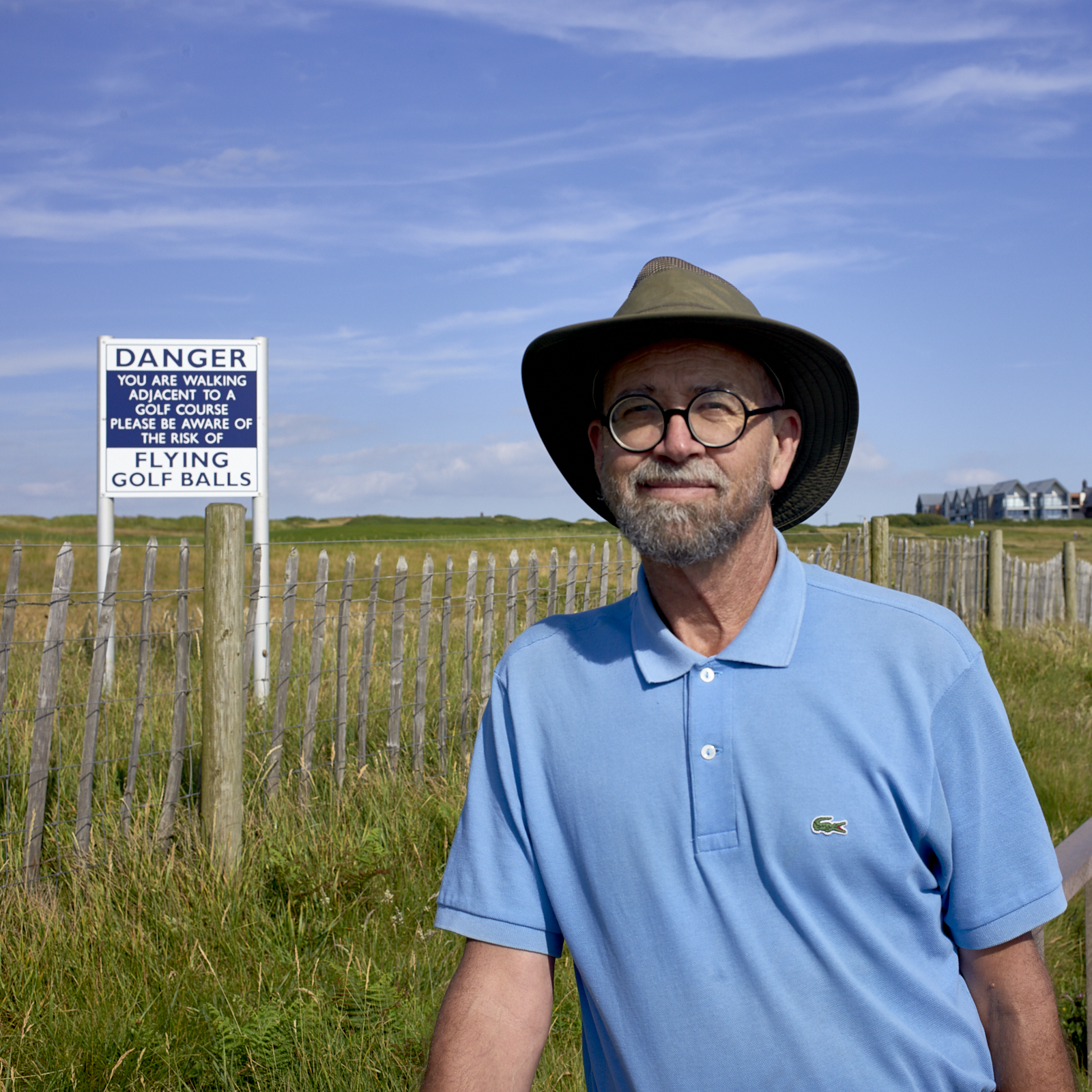
I once described myself as the most obscure 70 year old golf architect on earth. I still think it fits. My relationship with golf architecture is a bit unusual, being that the span from training and education to significant work production is measured in decades rather than years.
I was lucky that when the golf architecture bug bit me I was in a good position to pursue it. It started, as it does with many architects, with an extended visit to Scotland. After that initial encounter with links golf in the UK, while working as a municipal analyst in San Francisco, I began studies in Landscape Architecture and coaxed an interview with Don Knott at RTJ II in Palo Alto. Don hired me to work in the design studio, splitting time with my research firm in San Francisco. I wanted to learn as much about the business of golf course architecture as I could. I wanted to know how the sausage is made.
What better way to learn than to work with four talented architects in the busiest golf architecture shop on the west coast. Over the next few years, I would work with Don, Kyle Phillips, Gary Linn and Bruce Charleton. It was a great learning environment and I was able to work on projects all over the globe. In the end, the work prepared me for what I was after - namely, if I was ever given the opportunity to design a golf course, I wanted to be able to do so. I wasn’t looking for a career. I have stated often that I love the work but hate the business. The business of being a golf architect is perceived to be very glamorous, but in reality is made up of long hours, excessive travel, and the need to market your name, your brand, etc. to attract business. I’m envious of those that can pull it off. Having the opportunity to practice the art, however, is very rewarding.
A few short years ago my own club, Richmond Golf Club, sold off a large parcel of land on our western boundary which has been developed into 94 homes. A number of architects had looked at the impact on the course and made recommendations. I made my own ideas clear to the Board, and the next thing I knew I was presenting a Rehabilitation Plan for the golf course to the membership for a vote. It passed, which was somewhat unexpected by many of the long-time members. As a result, the solution to the western boundary was tabled, but the rest of the Plan was approved to go forward.
We completed the first phase in the summer of 2025. One new green, three modified green complexes, twenty-two new bunkers (a net gain of seven), and about fifteen tee pads. Additionally, more trees were removed, fairways were widened and new fescue areas were introduced. The team included Joshua Pettit (Pacific Golf Design), Jay Neunsinger (Director of Agronomy) and Ty Downing (Earth Sculptures). The work has been well-received. I’m currently working on solutions for the western boundary that would tie into the work already completed as well as ongoing architectural improvements.